
Pallet liquidation presents an intriguing alternative to traditional retail shopping. With discounts ranging from 30% to 70%, buyers are often drawn to the potential for significant savings.
However, the unpredictability of inventory and variable quality can complicate the decision. In contrast, traditional retail offers consistency and assurance, albeit at a higher price.
As consumers weigh these options, the question remains: which approach ultimately provides the best value for their needs?
Pallet liquidation refers to the process of selling bulk quantities of unsold or returned merchandise, often at markedly reduced prices. This practice typically involves retailers, wholesalers, or liquidators who acquire excess inventory from various sources, including overstock, seasonal items, or returned goods.
The merchandise is then packaged into pallets or lots, which are sold to resellers, small businesses, or individuals seeking bargains. The process begins with a liquidation company purchasing the surplus inventory, often at a fraction of its retail value. These pallets may contain a mix of products, ranging from electronics to clothing.
Buyers assess the potential resale value and risks associated with purchasing such lots, as not all items may be in perfect condition. Ultimately, pallet liquidation provides an alternative avenue for consumers and businesses to access goods at markedly lower prices than traditional retail channels.
Pricing strategies and discounts play an essential role in shaping consumer behavior across various shopping formats. Traditional retail often employs a combination of seasonal sales, clearance events, and loyalty programs to attract customers.
These approaches create a sense of urgency, encouraging consumers to make purchases when they perceive value. In contrast, pallet liquidation typically offers lower base prices without the complex discount structures seen in retail. While retail may use psychological pricing strategies, such as pricing items just below whole numbers, pallet liquidation focuses on volume and bulk sales.
Consequently, consumers seeking immediate savings may gravitate toward liquidation options, while those valuing brand trust and customer service might prefer traditional retail channels for their shopping experience.
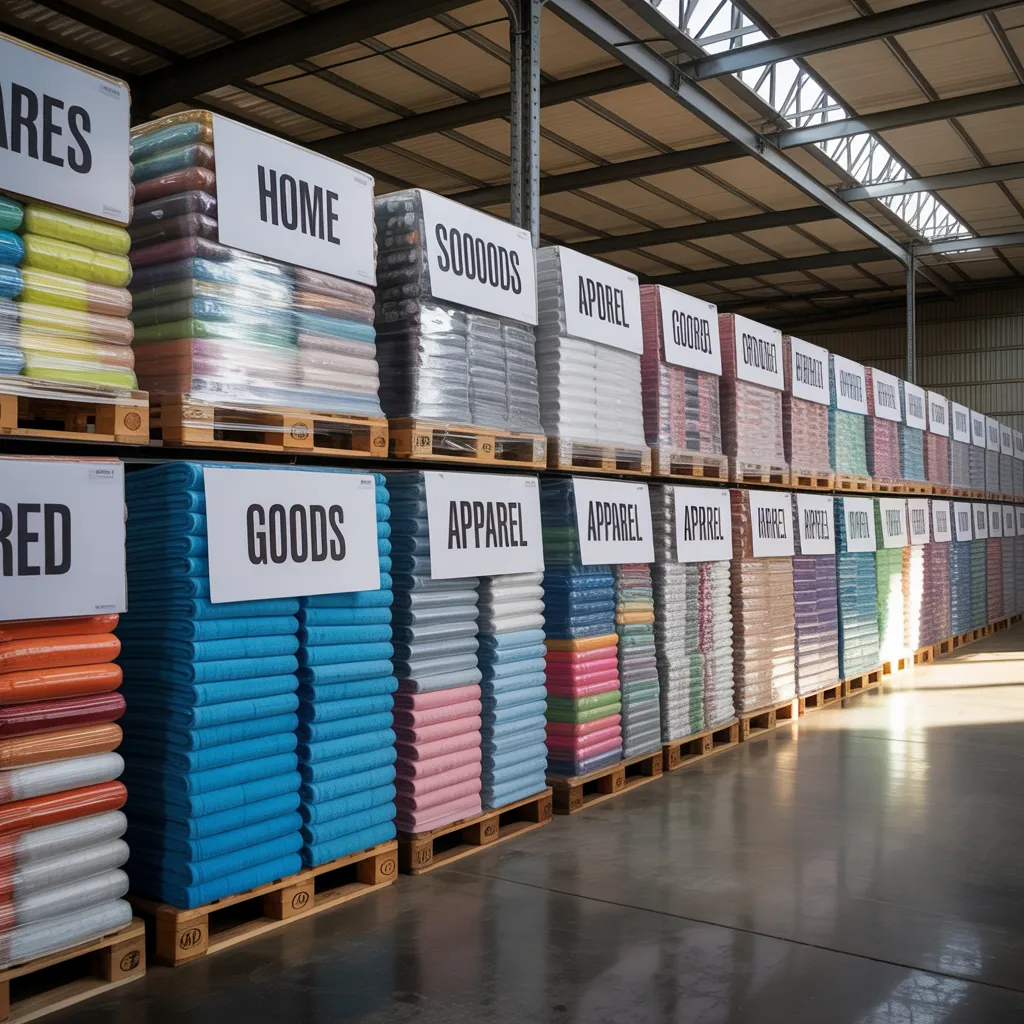
In the domain of consumer shopping, inventory variety and availability considerably differ between retail and liquidation channels. Traditional retail outlets typically offer a consistent and curated selection of products, ensuring a steady supply of popular brands and seasonal items.
This variety allows consumers to find specific products easily. In contrast, pallet liquidation often features a more unpredictable inventory. Liquidation pallets may contain a mix of overstock, returned, or unsold items, resulting in a unique assortment that changes frequently.
While this can lead to exciting finds, it may also mean limited availability of specific products. Consequently, consumers seeking variety might prefer traditional retail, while those open to surprises may explore liquidation options for potentially valuable deals.
Frequently, shoppers find that the experience and convenience of traditional retail settings starkly contrast with those of pallet liquidation. Traditional retail offers a structured environment where consumers can browse items at their leisure, benefiting from organized displays and helpful staff.
The ability to physically inspect products before purchase enhances confidence, leading to informed decisions. In contrast, pallet liquidation often involves purchasing items in bulk without prior examination, creating uncertainty about quality and suitability.
Additionally, traditional retailers provide a straightforward shopping experience, with clear pricing and return policies. Conversely, pallet liquidation may lack transparency, with hidden costs and limited recourse for unsatisfactory items. Ultimately, while pallet liquidation can yield bargains, the convenience and assurance of traditional shopping remain appealing to many consumers.
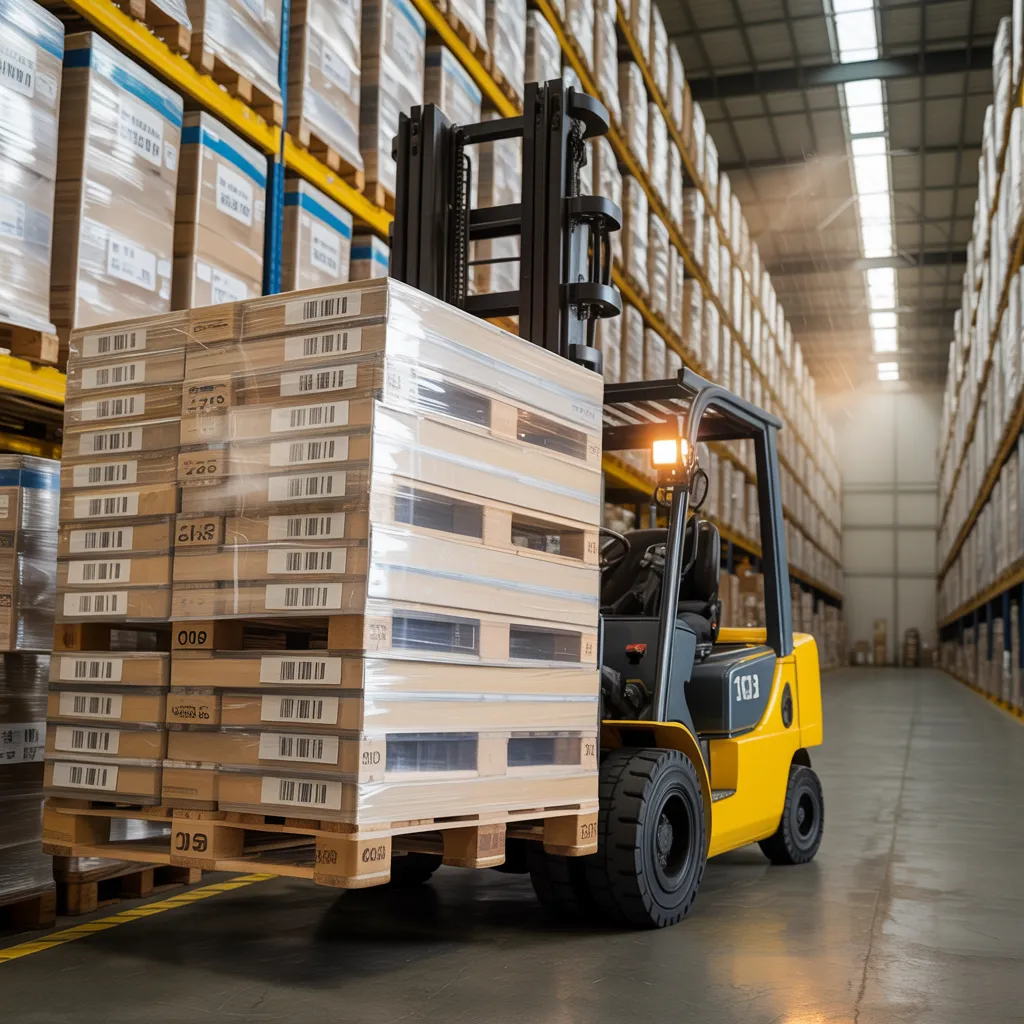
Shopping at pallet liquidation sites offers numerous advantages for savvy consumers looking to maximize their savings. These platforms provide access to a wide variety of products, often at notably reduced prices compared to traditional retail outlets. This variety enables shoppers to find items ranging from electronics to household goods in one convenient location.
Additionally, pallet liquidation sites often operate on a first-come, first-served basis, creating a sense of urgency that can motivate consumers to make quicker purchasing decisions. Shoppers can also benefit from the thrill of discovering unique items or brands that may not be available in retail stores.
Furthermore, many liquidation sites allow for bulk purchasing, enabling consumers to stock up on items and save even more in the long run. Overall, the combination of cost savings, product variety, and unique finds makes pallet liquidation an attractive option for budget-conscious shoppers.
An analysis of costs reveals that liquidation prices often present a stark contrast to traditional retail deals. Liquidation pallets typically offer products at markedly reduced prices, often ranging from 30% to 70% less than retail.
This price advantage stems from the nature of liquidation, where unsold or returned items are sold in bulk, allowing resellers to acquire goods at a fraction of their original cost. In contrast, retail prices include overhead expenses, marketing, and other costs, resulting in higher consumer prices.
Consequently, shoppers can find substantial savings when opting for liquidation, provided they are willing to navigate the variability in product quality and selection. Ultimately, the choice between liquidation and retail hinges on budget considerations and purchasing preferences.
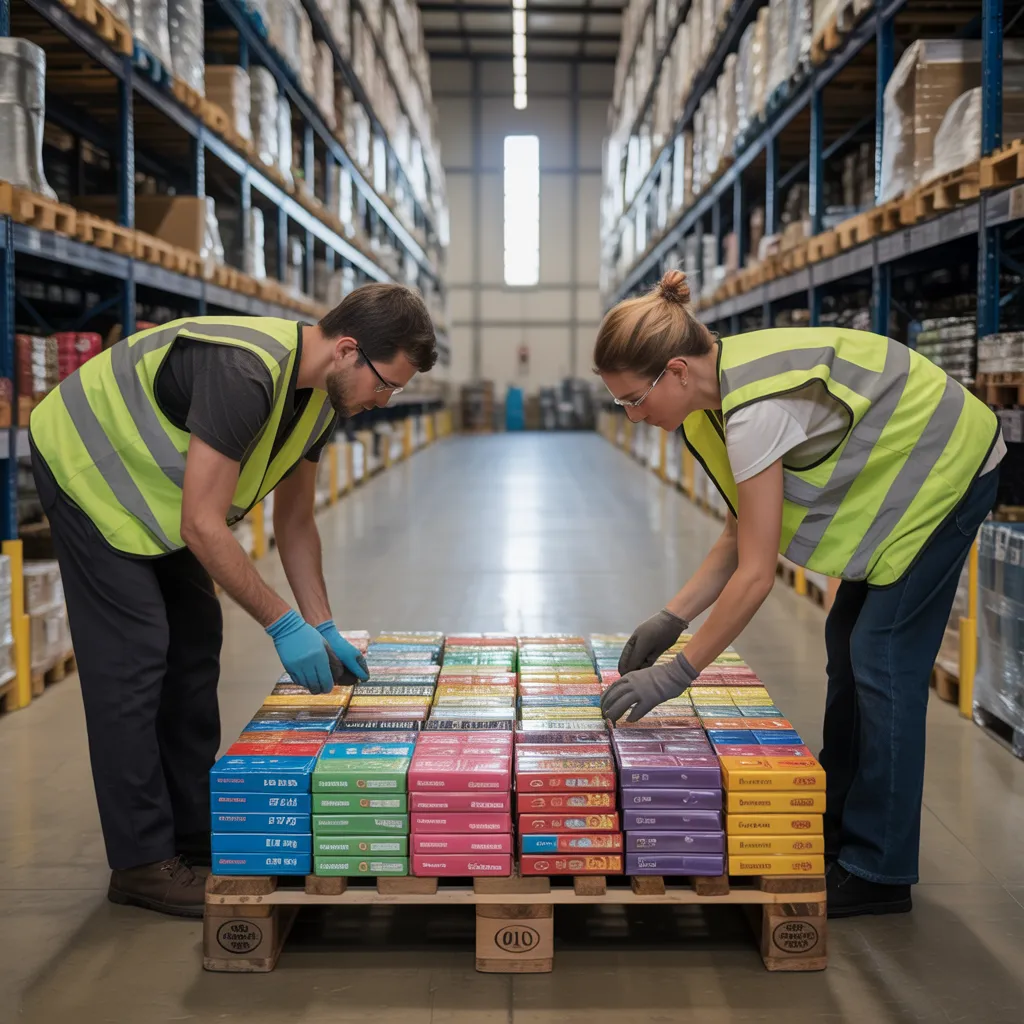
Shipping costs markedly impact savings on liquidation purchases. High shipping fees can erode potential discounts, making the overall deal less advantageous. Buyers must consider these costs when evaluating the total price of liquidation pallets. Additionally, varying shipping rates based on distance and carrier can lead to unexpected expenses. As a result, it is essential for buyers to calculate all associated costs to determine if the savings from the liquidation purchase are genuinely beneficial.
The best online platforms for pallet liquidation include Liquidation.com, B-Stock, and Direct Liquidation. These sites offer a range of products, from electronics to clothing, catering to various buyer needs. Users benefit from transparent bidding processes and detailed listings that describe the contents of each pallet. Additionally, platforms like Wholesale Ninja and GovDeals provide specialized inventory, appealing to niche markets. Researching reviews and ratings can help buyers make informed decisions.
Liquidation auctions typically occur weekly or bi-weekly, depending on the liquidation company and the volume of inventory available. Some businesses may host daily sales, particularly those with high turnover rates. The frequency can vary based on geographic location and the specific market demand. Interested buyers often need to check auction schedules regularly to stay informed about upcoming events and guarantee they do not miss potential opportunities to acquire valuable items at discounted prices.